
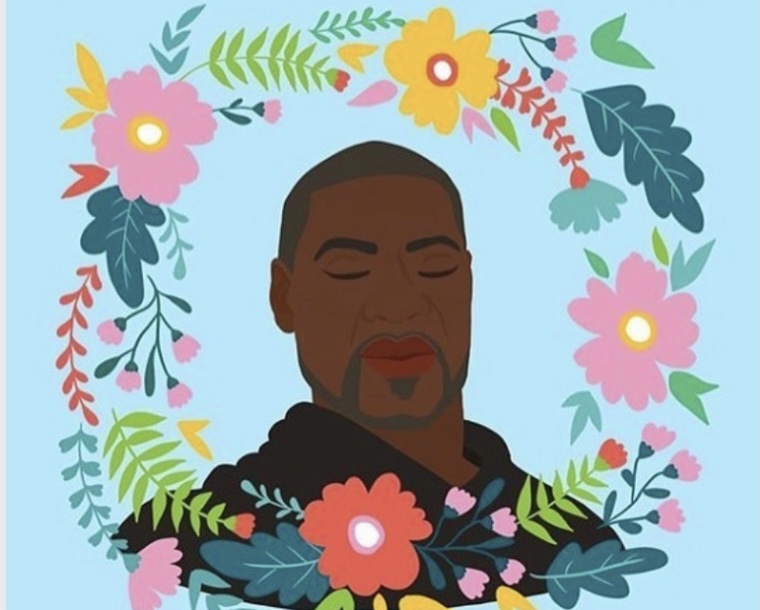
Recognizing Earth Day two days following the Chauvin verdict illustrates this complex, abstract, exhausting, and overwhelming image of what being a Black environmentalist in America consists of. The fight for climate change in the eyes of white environmental scientists, economists, lawyers, consultants, conservationists, journalists, and advocates can be isolated into one issue, dimension, and reality; one that does not consider Black persecution. This perspective acknowledges environmental protection without acknowledging environmental injustice. It is evident that addressing climate change without considering social justice is ineffective and dismissive to the thousands of vulnerable communities, many of whom are Black, that are forced to confront the deadly impacts of climate change. Solutions to tackle the climate crisis are only significant when frontline communities are in the center of the decision-making process.
Celebrating Earth Day without acknowledging Black oppression and contribution is like admiring the Harry Potter series without acknowledging J.K Rowling. How can one appreciate the engineer and not the architect?
The Civil Rights Movement in the 1960s was the blueprint of the first held Earth Day in 1970. The movement that was focused on the lynching and disenfranchisement of Black bodies, inspired this national event on environmental protection in the United States. The establishment of Earth Day, the EPA, Clean Air/Water Act, etc. in the 1970s cannot be studied without acknowledging previous movements connected to Black lynching’s in America. So celebrating Earth Day without understanding the historical and contemporary influence between that and Black oppression clearly reveals one’s understanding of American plagiarism and environmental injustice that existed in Black communities for centuries. We teach students in this country to site their sources to avoid plagiarism, but apparently Earth Day, rock n roll/country music, and slavery are exceptions in America’s memoir.
Many waited to exhale while hearing Tuesday’s verdict while many continue to wait from respiratory illnesses linked to environmental hazards in result of redlining, socioeconomic status, and racism.
And minutes before the verdict was announced, 16 year old Ma’Khia Bryant was murdered by a police officer.
There was no time to reflect, to grieve, or to exhale.
Remembering Earth Day and George Floyd simultaneously means the words “I CAN’T BREATHE” co-exists in environmental injustice and police brutality, two of the many issues that fit under this umbrella called white supremacy.
 WAITING TO XHALE